
SoilSource
Your Marketplace Awaits
Bringing Soil Suppliers and Recipients for seamless transactios in a transparent and efficient market place.
Connecting Suppliers and Recipients for a Seamless Transaction Experience
At Soilsource, we bring over 25 years of experience in the Australian environmental sector, including 20+ years in contaminated land management.
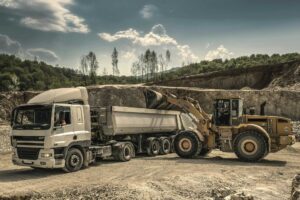
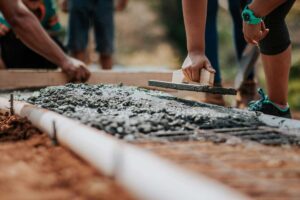
We understand the challenges construction professionals face—rising soil disposal costs, limited site space, and tight deadlines. That’s why we created Soilsource: a practical, cost-effective platform that connects those needing to dispose of clean soil (VENM1/ENM2)* with those who need it, reducing waste and promoting reuse.
Sustainability is central to our mission. With Greater Sydney’s landfill capacity projected to run out by 2030 (NSW EPA, Nov 2024), diverting reusable soil from landfill is no longer optional—it’s essential.
Soilsource also helps cut transport costs and emissions by matching clients with nearby soil sources or recipients, reducing truck movements and easing congestion.
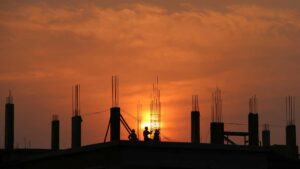
We’re proud to help clients save money, lower environmental impact, and build a more sustainable construction industry.
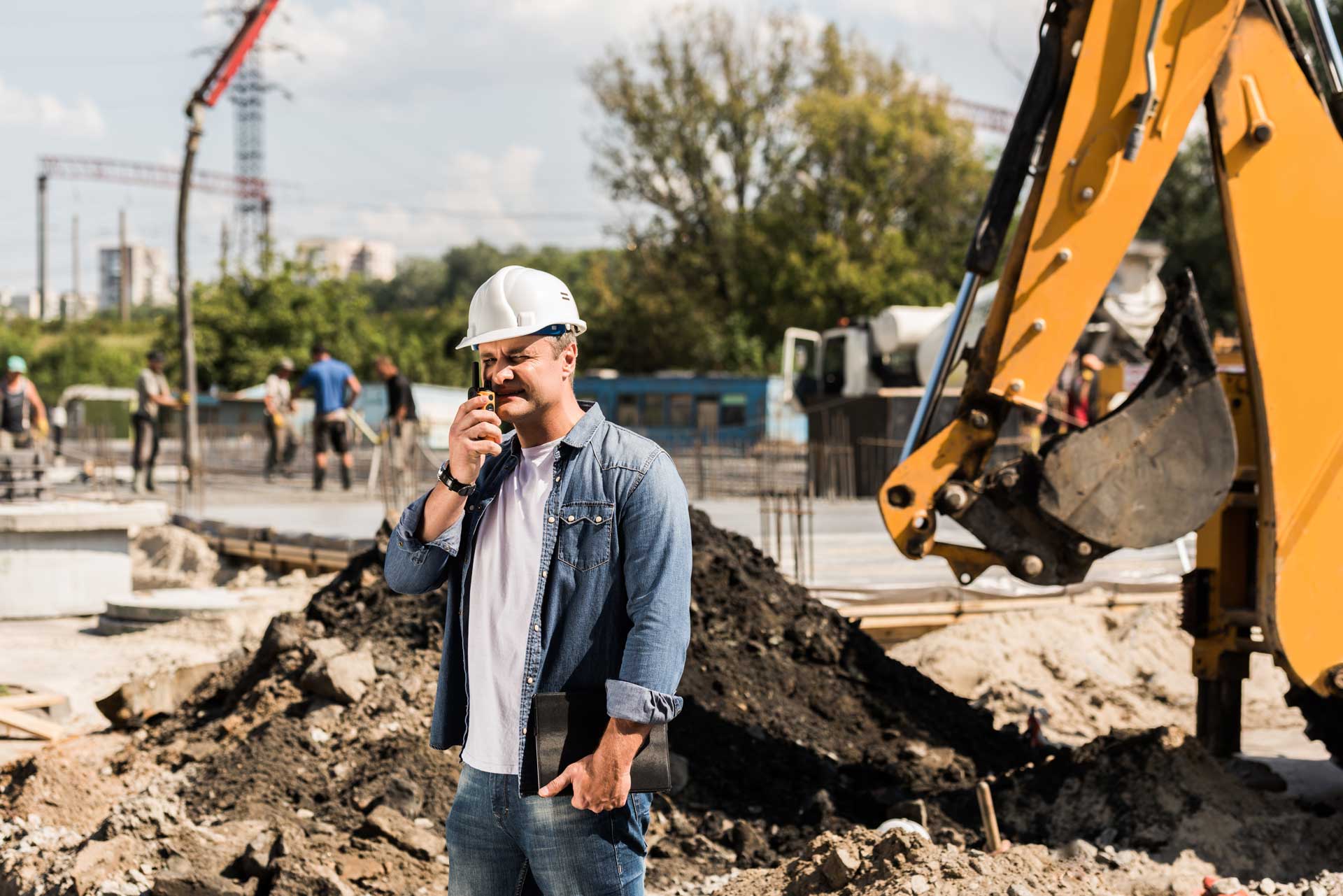
Mission
To provide a cost-effective and innovative digital platform that facilitates the responsible acquisition and disposal of clean soil (VENM/ENM), promoting its reuse and supporting sustainable construction practices.
Vision
To be the leading provider in Australia of sustainable soil management solutions, revolutionising (or transforming) how clean soil is acquired, disposed of and reused while promoting environmental stewardship and cost-efficiency.

Andres Grigaliunas
Director
Before founding Soilsource, Andres worked as a Senior Environmental Professional in environmental engineering sector, with a strong focus on soil contamination and material classification within the construction and infrastructure sectors. He has lead environmental management for major infrastructure projects, including both marine and land-based developments, ensuring compliance with environmental regulations and sustainability goals throughout the construction lifecycle.
Andres was responsible for conducting detailed site investigations, preparing waste classification reports, and managing the reuse and disposal of soil materials, including Virgin Excavated Natural Material (VENM) and Excavated Natural Material (ENM), in accordance with NSW EPA guidelines. My work ensured regulatory compliance and supported sustainable construction practices through effective material tracking and reuse strategies. He also was a Senior Environmental Project Manager overseeing remediation of contaminated sites for several projects, including major petroleum clients. These projects involved complex soil contamination assessments, remediation planning, and coordination with construction teams to integrate environmental outcomes into project delivery.



*Footnote
1VENM (Virgin Excavated Natural Material) refers to natural material such as clay, gravel, sand, soil, or rock fines that has been excavated from areas not contaminated with manufactured chemicals or process residues, and does not contain sulfidic ores or other waste. This definition is based on the NSW Environment Protection Authority (EPA) published on its website as of June 27, 2025
2 ENM: Excavated Natural Material is defined as naturally occurring rock and soil (including but not limited to sandstone, shale, clay, and soil) that has been excavated from the ground, contains at least 98% (by weight) natural material, and does not meet the definition of Virgin Excavated Natural Material (VENM). ENM must not include material from contamination hotspots, processed material, or material containing asbestos, Acid Sulfate Soils (ASS), Potential Acid Sulfate Soils (PASS), or sulfidic ores. This definition is based on the NSW Environment Protection Authority (EPA). The Excavated Natural Material Order 2014: Resource Recovery Order under Part 9, Clause 93 of the Protection of the Environment Operations (Waste) Regulation 2014. Accessed June 27, 2025. https://www.epa.nsw.gov.au/sites/default/files/rro14-excavated-natural-material.pdf.